
29 July 2026

When it comes to improving flexibility, enhancing performance, and supporting recovery, not all stretching exercises are created equal. Two of the most commonly used methods are dynamic stretching and static stretching. Both have their advantages, and are most beneficial when done properly.
What makes stretching an effective recovery and performance tool is knowing what stretching method to use, and when. Understanding the difference between these approaches can help you get the most out of your stretch therapy routine, whether you’re preparing for a workout or recovering afterward. So if you’re looking to incorporate stretching into your routine but not sure where to start, you’re in the right place.
What is Dynamic Stretching?
Dynamic stretching involves controlled, active movements that take your joints and muscles through their full range of motion. Instead of holding a static position, this stretch requires continuous movement, often mimicking the activity you’re about to perform. This method of stretching increases blood flow, activates muscles, and improves mobility. It essentially “warms up” the body, preparing it for movement and reducing the risk of injury.
Examples of dynamic stretching exercises include:
-
Leg swings
-
Arm circles
-
Walking lunges with a twist
-
High knees
Benefits of Dynamic Stretching
Dynamic stretching primes the body for movement, making it especially beneficial before workouts, sports, or any physical activity. Incorporating dynamic stretching into your fitness routine can help you:
-
Lengthen and release tight hip flexor muscles
-
Restore healthy range of motion in the hips
-
Improve muscle balance and reduce compensation patterns
-
Support better posture and more efficient movement
One of the best mobility exercises for relieving tight hip flexors is stretching. With consistent stretching, you can relieve built-up tension, move more freely, and improve both everyday comfort and workout performance.
What is Static Stretching?
Static stretching involves holding the stretch in one position anywhere from 15 to 60 seconds. This type of stretching focuses on lengthening muscles and improving overall flexibility. It is commonly used during cooldowns or as part of a dedicated stretch therapy session, helping muscles relax and recover after activity.
Examples of dynamic stretching exercises include:
-
Seated hamstring stretch
-
Standing quad stretch
-
Shoulder stretch
-
Figure-four stretch
Benefits of Static Stretching
Because of its focus on lengthening muscles, static stretching is especially advantageous for recovery and long-term flexibility.
-
Helps lengthen tight muscles
-
Promotes relaxation and reduces muscle tension
-
Supports recovery after exercise
-
Improves overall flexibility over time
When combined with guided stretch therapy such as assisted stretching, static stretching can be even more effective, allowing for deeper, more targeted muscle release.
When to Use Dynamic or Static Stretching
While both types of stretching exercises support mobility and flexibility, they serve different purposes:
- Movement vs. Stillness: Dynamic stretching involves continuous movement, while static stretching requires holding a position.
-
Timing: Dynamic stretching is best before activity while static stretching is most effective after.
-
Purpose: Dynamic stretching prepares the body for performance, while static stretching promotes recovery and flexibility.
-
Muscle Activation: Dynamic stretching activates muscles, whereas static stretches help release tension.
Because of these key differences, knowing when to use dynamic or static stretching can make a significant difference in how your body performs and recovers.
Use dynamic stretching:
-
Before workouts or physical activity
-
As part of a warm-up routine
-
To activate muscles and improve mobility
Use static stretching:
-
After workouts during your cooldown
-
On rest or recovery days
-
During dedicated stretch therapy sessions
For best results, both types of stretching exercises should be part of a balanced routine. Dynamic stretching prepares your body to move, while static stretching helps it recover and adapt.
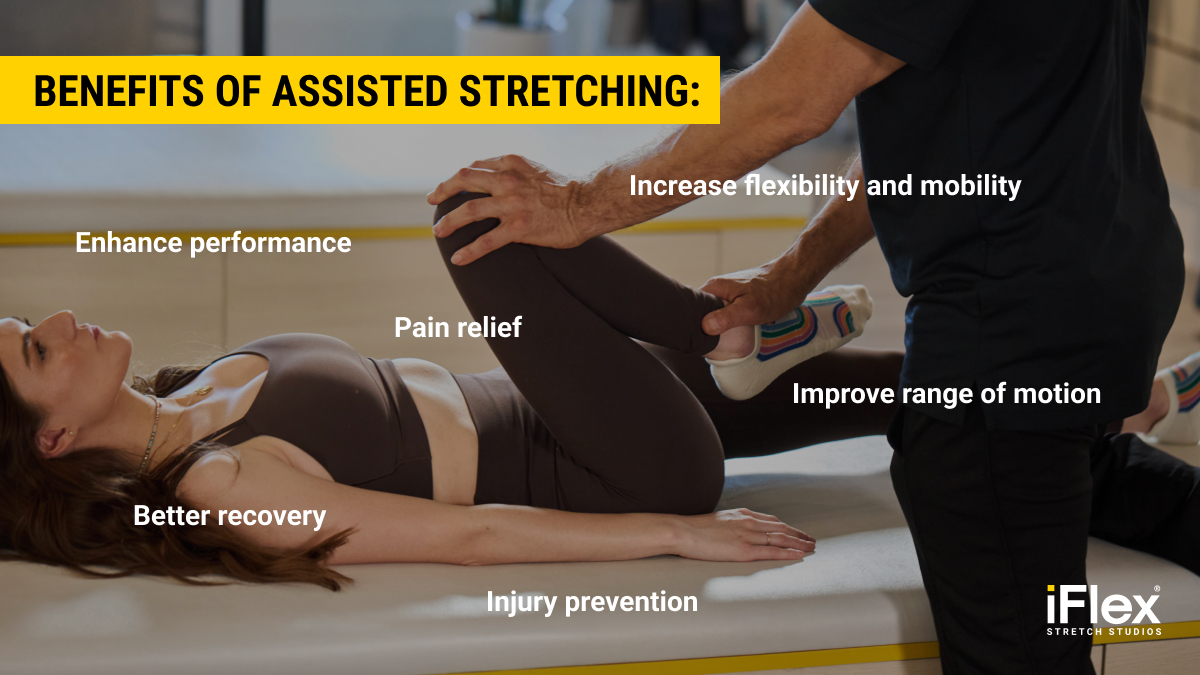
How Assisted Stretch Therapy Enhances Your Recovery
While a stretch routine can be performed on your own, professional stretch therapy takes recovery to the next level. Guided, assisted stretch sessions allow for deeper stretches, proper form, and personalized techniques based on your body’s needs.
Whether you’re working on improving flexibility, relieving tension, or enhancing performance, combining dynamic and static stretching within a structured assisted stretch therapy program can help you recover and perform better.
When choosing where to seek your assisted stretch therapy, you should consider why you’re seeking assisted stretching and how the stretch studio can complement that need. Additionally, it’s important to trust who is stretching you, so you’ll want to choose a stretch studio that has trusted experts and resources.
At iFlex Stretch Studios, we’re redefining recovery. Our clients enjoy access to:
-
Certified Flex Specialists
-
Comprehensive mobility assessments
-
Personalized, expert-guided stretch sessions
- Advanced tech for deeper recovery
- And more!
Right now, you can try an iFlex near you and get 50% off your first stretch. Just click the button below to get started.