Pick the studio you want to visit. We will keep it at the top for next time.
18 May 2026
What is Assisted Stretching and How Can it Benefit You
What is Assisted Stretching?
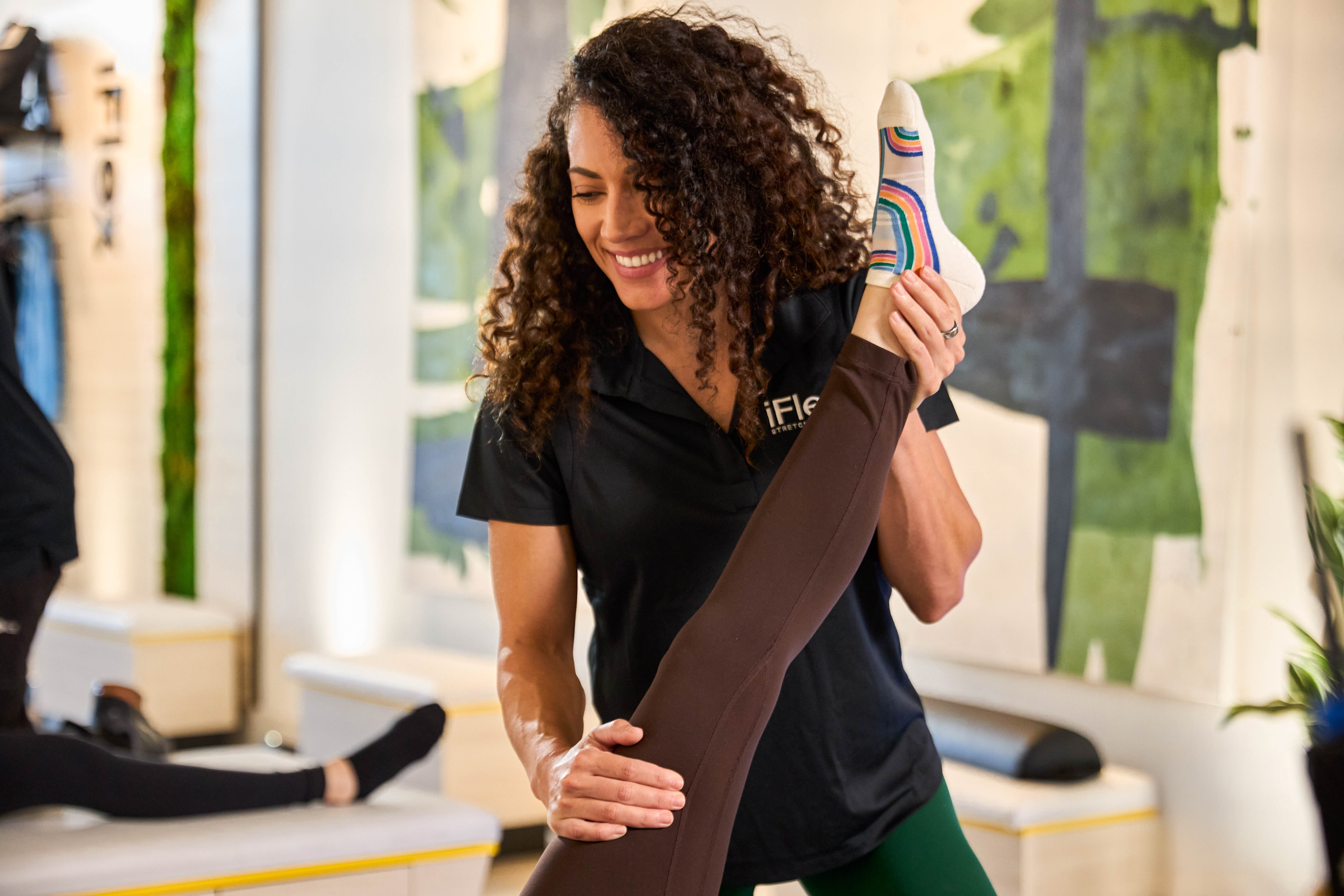
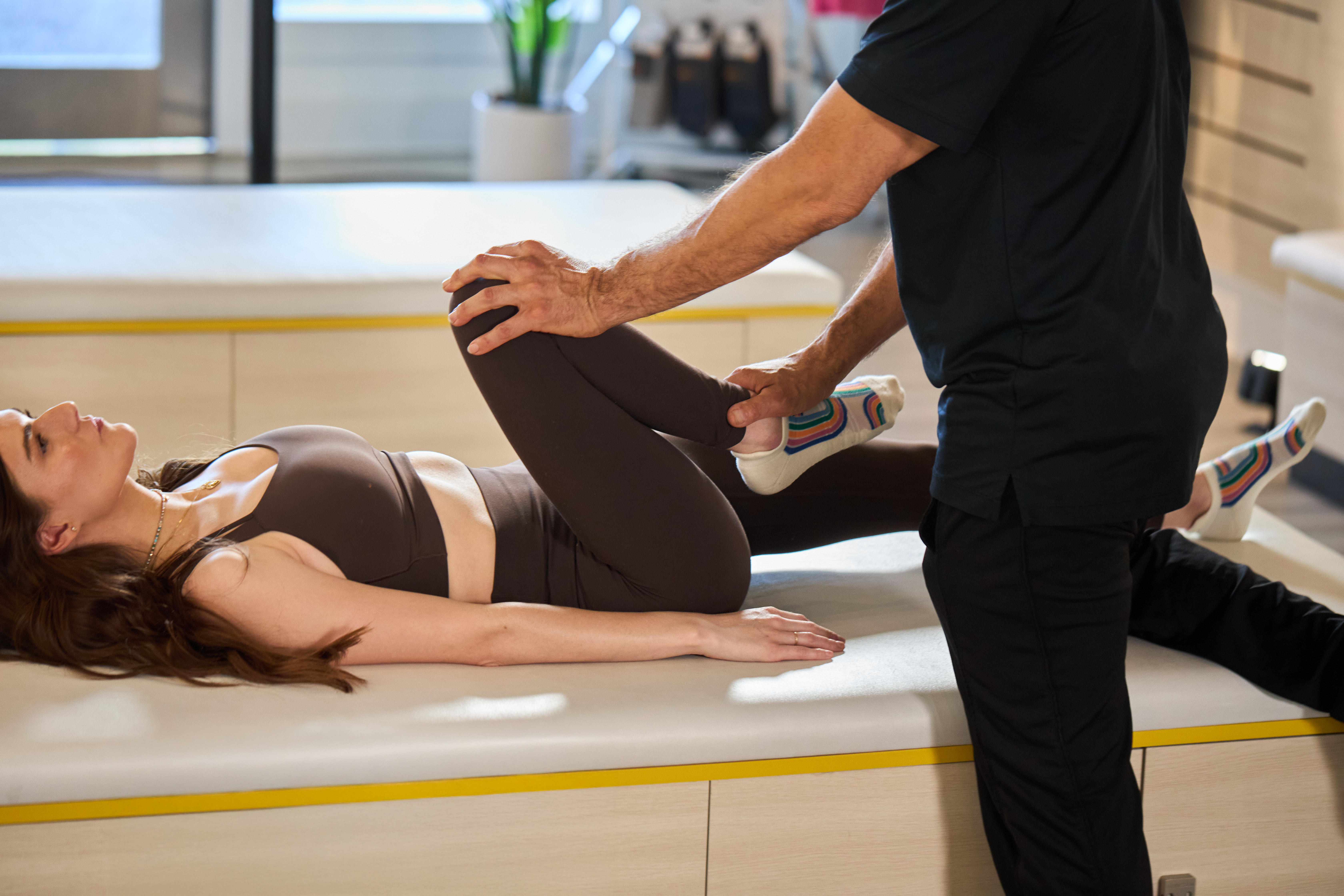
Assisted stretching is a service where a professional such as a Flex Specialist assists a client through a series of stretches. Unlike stretching on your own, assisted stretching is a passive practice for the person getting stretched! The stretch professional does all the work of positioning the client’s body into a stretch, while actively and safely pushing the body into a deep stretch to help enhance the benefits that often cannot be achieved when stretching on your own.
What Are the Benefits of Assisted Stretching?
The amazing thing about assisted stretching is that it has numerous benefits for people of all ages and lifestyles! Whether you’re looking to improve your fitness performance, reduce tightness, or even get better sleep, an assisted stretch could be exactly what you’re looking for to feel and live better.
Pain relief for sore muscles
When you’re not actively working to lengthen and relax your muscles, the tension is gradually building from slight nuisance to noticeable impacts to your daily lifestyle. When muscles stay tight for too long, they place added stress on your joints and bones, allowing pain to settle in.
Stretching works by gently encouraging your muscles to lengthen, allowing your body to release the tension and pain it's been holding onto. This is further enhanced during an assisted stretch because the Flex Specialist is able to help you lengthen the muscle further than you often can on your own, especially for those that are exceptionally tight.
Boost circulation
Poor circulation can look like persistent fatigue, slow-healing, muscle pain, and even numbness. During a stretch, muscles temporarily compress the blood vessels around them. When the stretch releases, oxygen and nutrients that support recovery and overall well-being are delivered back to the muscles. Over time, this improved circulation supports organ function, heart health, and even mental clarity.
Enhance flexibility
Flexibility isn't just about doing the splits. It’s the ability to move freely and comfortably throughout your day. Assisted stretching helps lengthen tight muscles and improve joint mobility through deep, targeted work that's difficult to achieve on your own. As you continue to stretch regularly, the tightness gradually reduces, allowing for better daily movement with less pain.
Improve range of motion
Range of motion refers to the movement that a joint can achieve. When you have full range of motion, you can reach and bend with ease. Assisted stretching gives your joints the support they need to achieve full range of motion. This is why athletes often choose to incorporate assisted stretching into their recovery routine to help improve their performance.
Target areas of concern
One of the most powerful things about assisted stretching is its ability to meet your body exactly where it is. A trained professional can assess what your body actually needs and work directly on the areas holding the most tension to provide real, targeted relief instead of a one-size-fits-all approach. This is something that a generic stretching routine simply can't address.
What to Know Before Getting Stretched
Who can benefit from assisted stretching?
Assisted stretching can be beneficial for all ages and fitness levels. Athletes, gym enthusiasts, and other fitness professionals can benefit from the recovery and performance enhancements, while a corporate employee can benefit from the tension relief of sitting all day. It’s not about who you are, it’s about whether you’re seeking to improve your quality of life through reduced pain and better mobility and flexibility.
How often should I get stretched?
While there is no one-size-fits-all answer, studies show that it can be beneficial to get stretched at least once a week.
If you have an area experiencing excessive tightness, you may benefit from more frequent assisted stretch sessions. Your Flex Specialist would be best able to advise you on a personalized program for your specific needs!
What are some common concerns people have about assisted stretching?
One of the most common concerns that people have about assisted stretching is whether or not the experience will be painful. It’s important to note that an assisted stretch should never cause pain. You may feel some discomfort during the stretch, which is normal.
However, intense pain is not part of the assisted stretching process. At iFlex, our Flex Specialists are trained in helping you achieve a deep stretch without pushing your body beyond its limit.
How to Get Started with Assisted Stretching
Getting started with your first assisted stretch can feel intimidating, but it doesn’t have to be. What’s important is finding a stretch studio that you can trust. At iFlex, our certified Flex Specialists are experts in the modality with extensive training to ensure a safe and effective experience.
Additionally, an assisted stretch session at iFlex comes with:
Comprehensive mobility assessment
Personalized stretch session
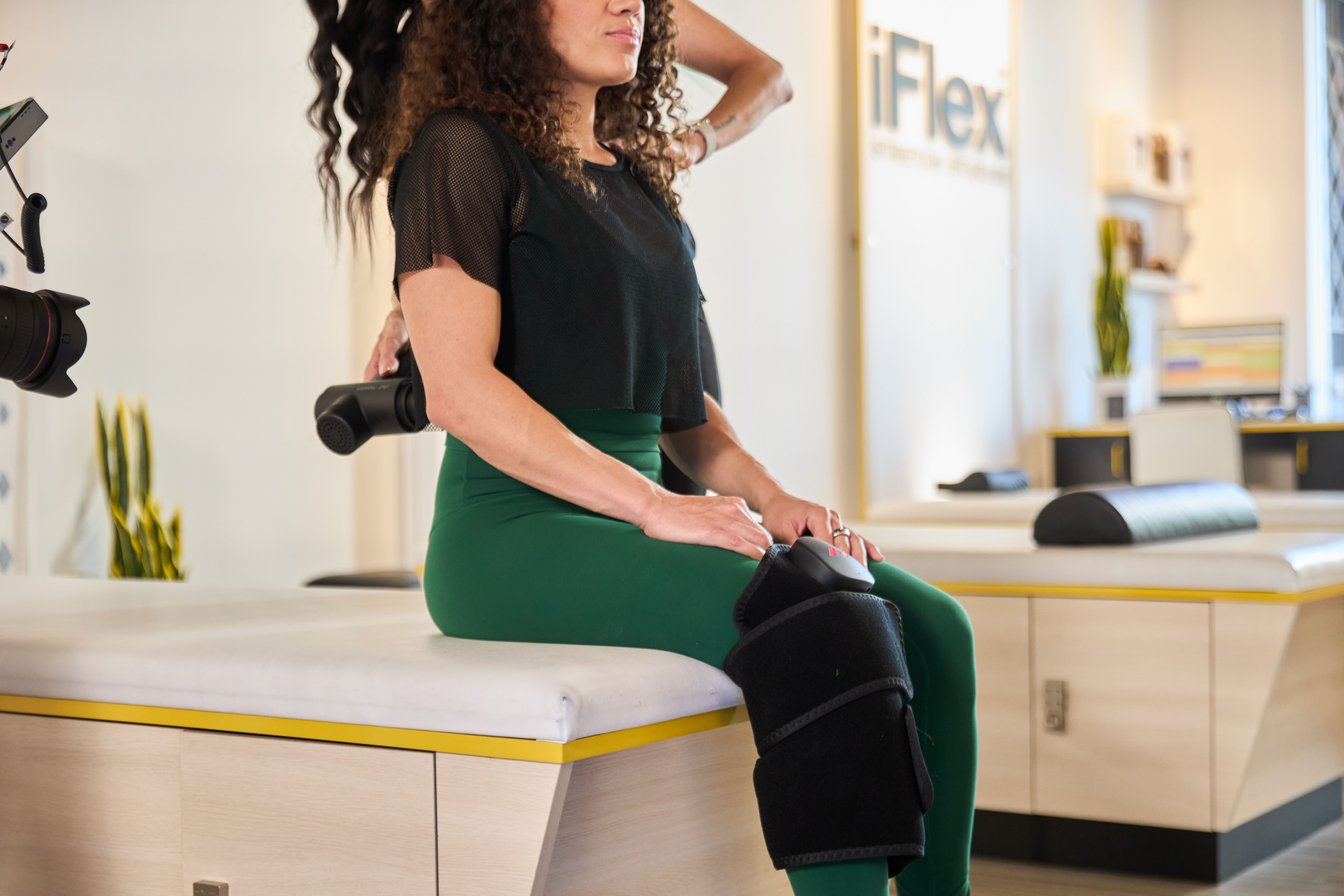
Access to Hyperice recovery tools
And more!
To get started, just click the button below to schedule your first session!